Academic journal
A Foreword from
the Editor-in-Chief
„Review of Enforcement Law” has been published continuously since 1993. Its relatively long publishing history has secured it a well-established position amongst legal journals. The Editorial Board’s priority is to publish high-quality articles that are original and have an impact on enforcement practice. Furthermore, the pages of PPE are open to articles devoted to issues of insolvency and restructuring proceedings, as well as to matters concerning the enforcement of security for claims through enforcement proceedings.
On my own behalf and that of the other members of the Editorial Board, I recommend “Review of Enforcement Law” to scholars of civil procedural law and to all practitioners dealing with the issues covered by the journal’s remit, in particular court bailiffs and judges who adjudicate in enforcement cases. I invite you to submit articles and other works in this field for publication.
dr hab. Robert Kulski, prof. UŁ

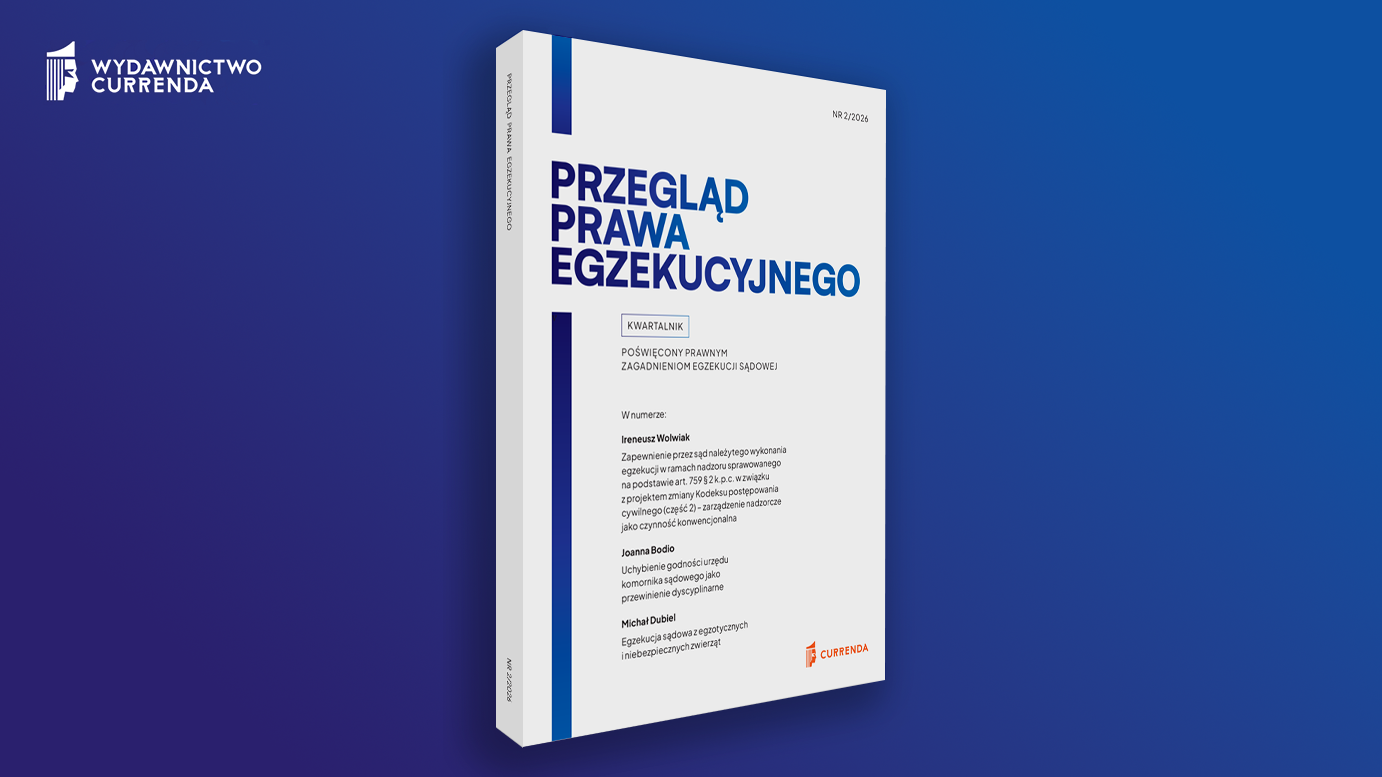
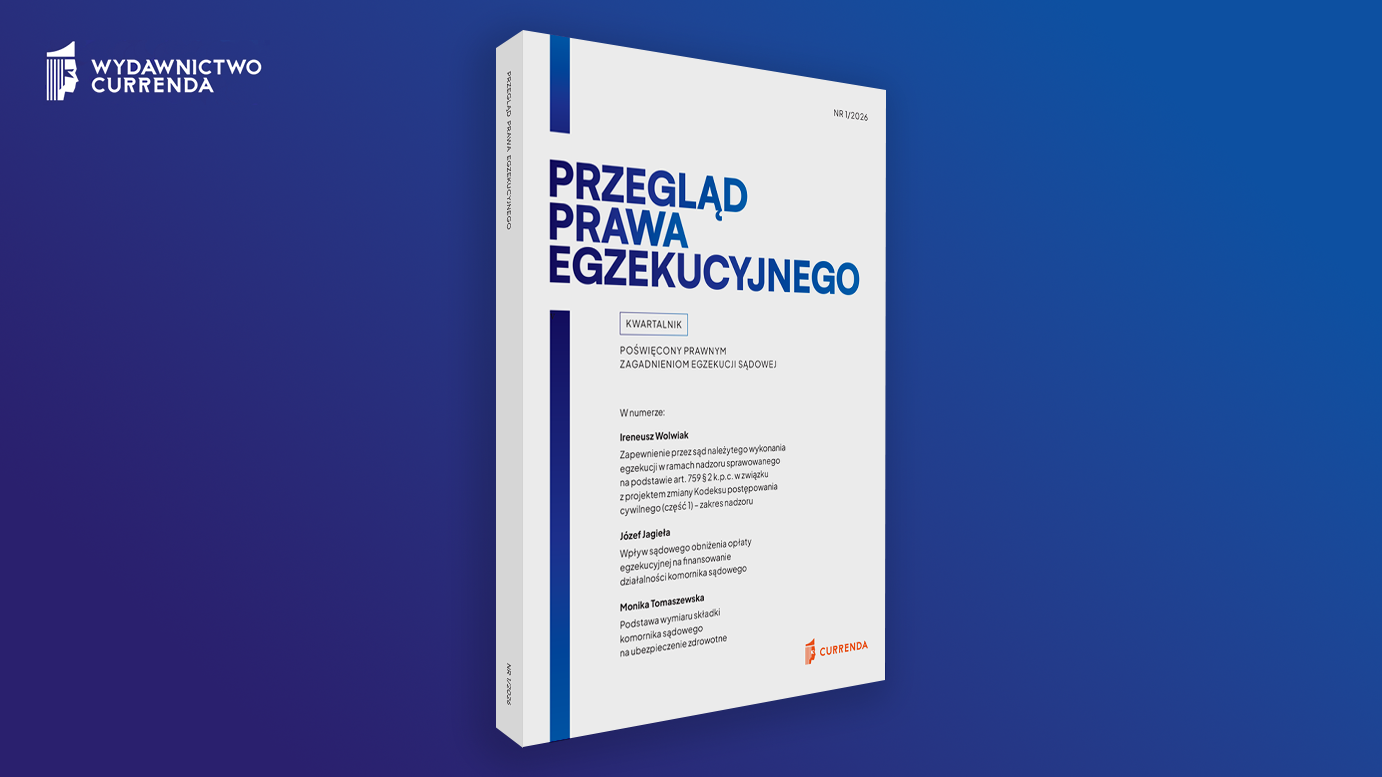
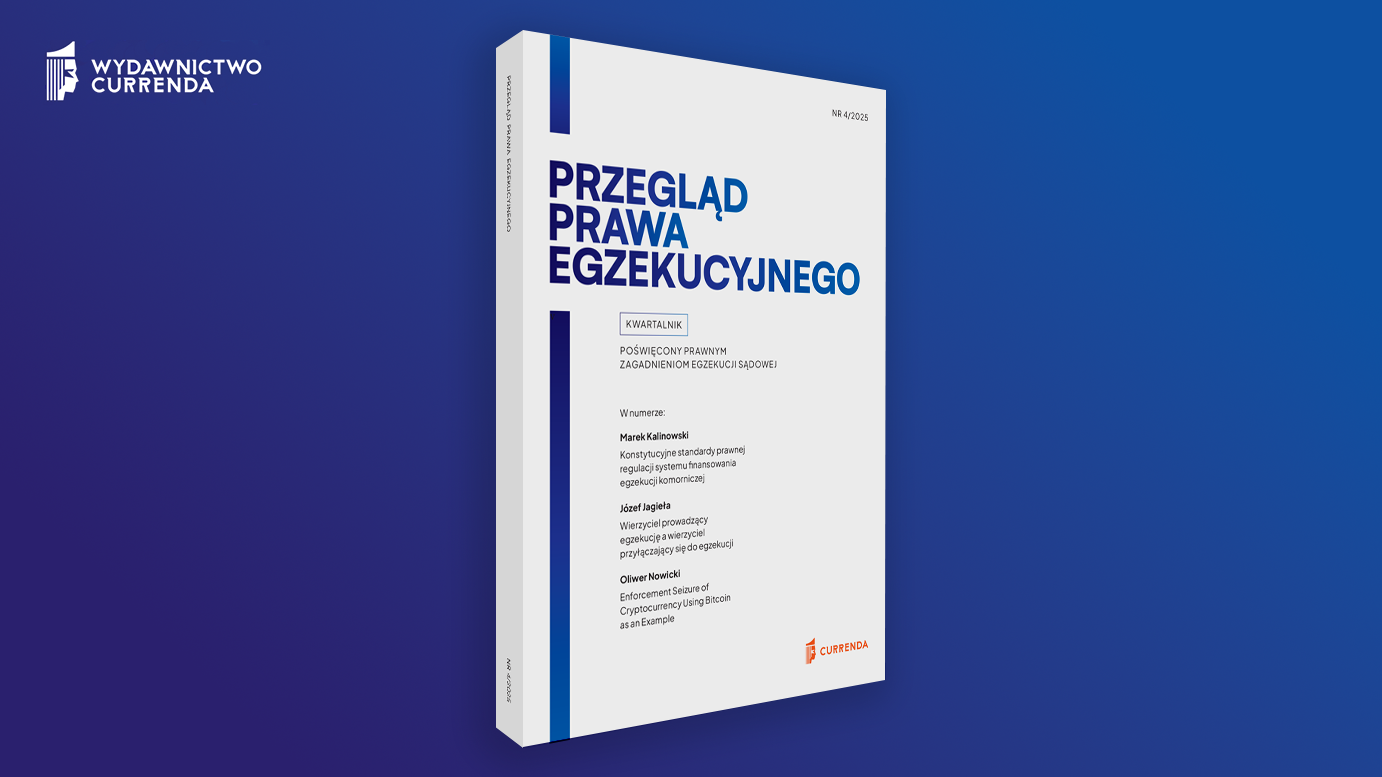
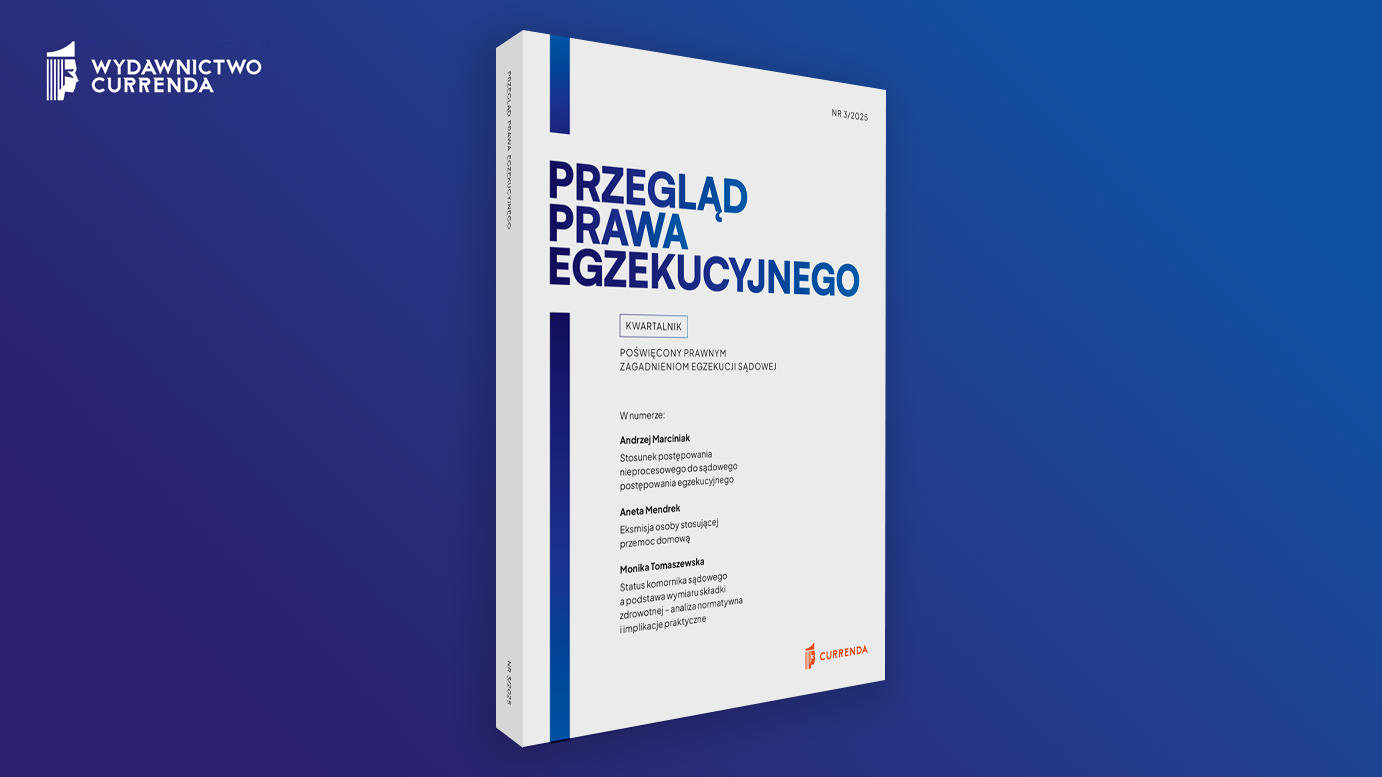
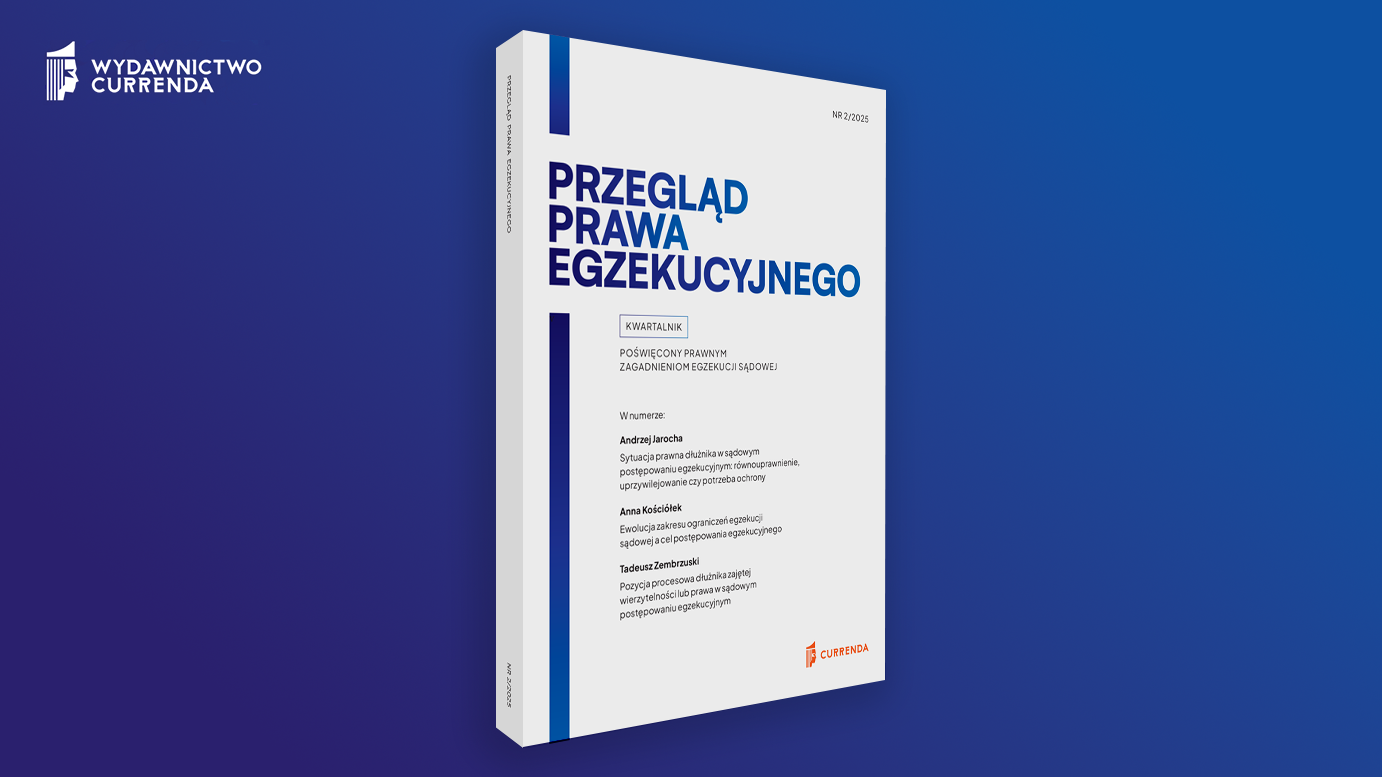
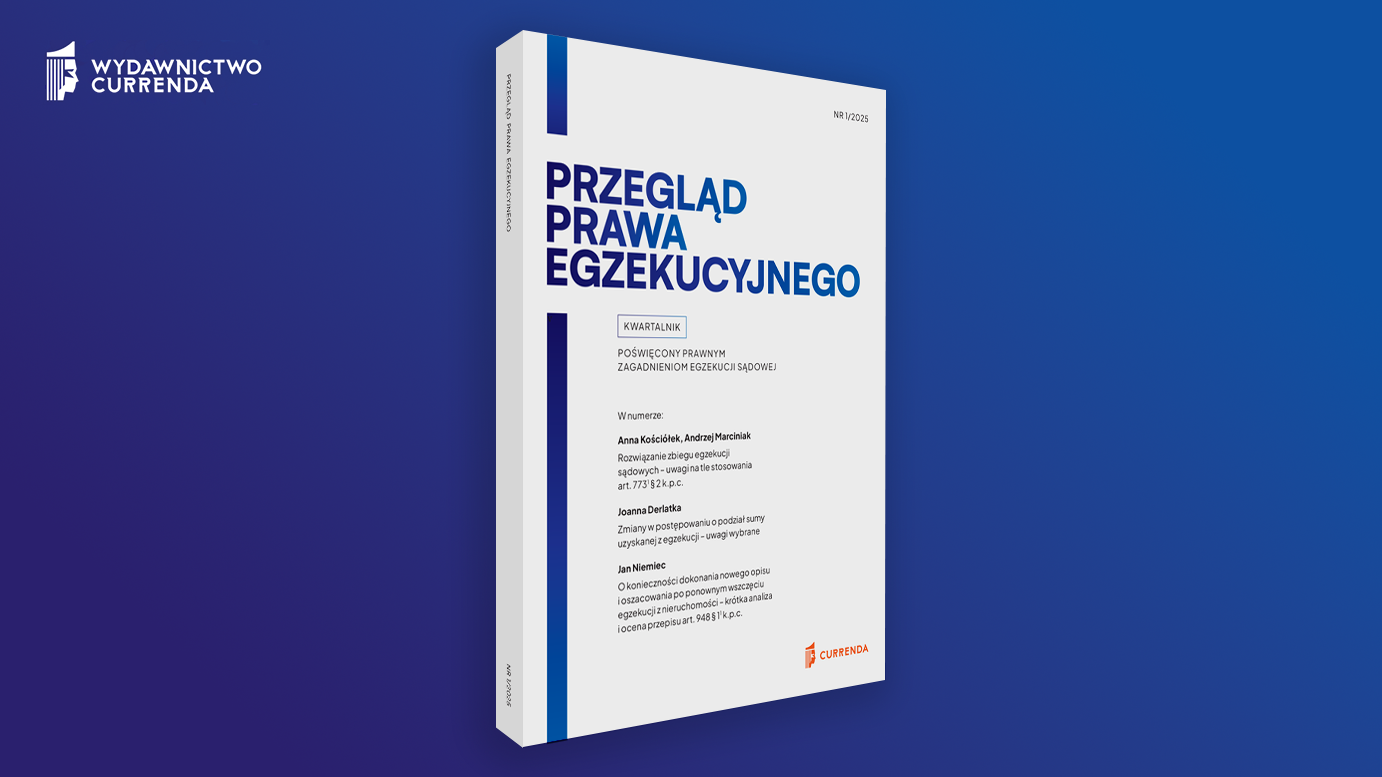
“Review of Enforcement Law” is:
- the only specialist academic journal in Poland in the field of legal studies devoted primarily to legal issues relating to judicial enforcement,
- a journal with a tradition stretching back over 30 years; it has been published continuously since 1993,
- a quarterly; we do not publish special issues,
- access to the journal’s content under an open-access model, )
- academic articles published in Polish and English,
- a higher Index Copernicus Value (ICV) each year,
- print run of 380 copies,
- ISSN 1731–030X, eISSN 3072–1911.
Redakcja i Rada Naukowa
The Editorial Board of the “Review of Enforcement Law” comprises distinguished legal scholars holding the academic degree of habilitated doctor of legal sciences from various universities: Adam Mickiewicz University in Poznań, the University of Łódź, Maria Curie-Skłodowska University in Lublin, Nicolaus Copernicus University in Toruń, the University of Warsaw and the University of Warmia and Mazury in Olsztyn.
The journal’s Scientific Board comprises 19 distinguished legal scholars, 11 of whom are from leading international research centres and 8 from Polish universities.

The journal’s impact on the social and economic environment
The academic studies published in “Review of Enforcement Law” have been and continue to be utilised:
- in the case law of the ordinary courts, the Supreme Court and the Constitutional Tribunal, as well as by parties involved in enforcement proceedings,
- in the course of legislative work, which directly supports the achievement of the state’s scientific policy objectives regarding the improvement of the legal system.

Indexing
Since 2012, “Review of Enforcement Law” has been included in the international ICI Journals Master List compiled by Index Copernicus.
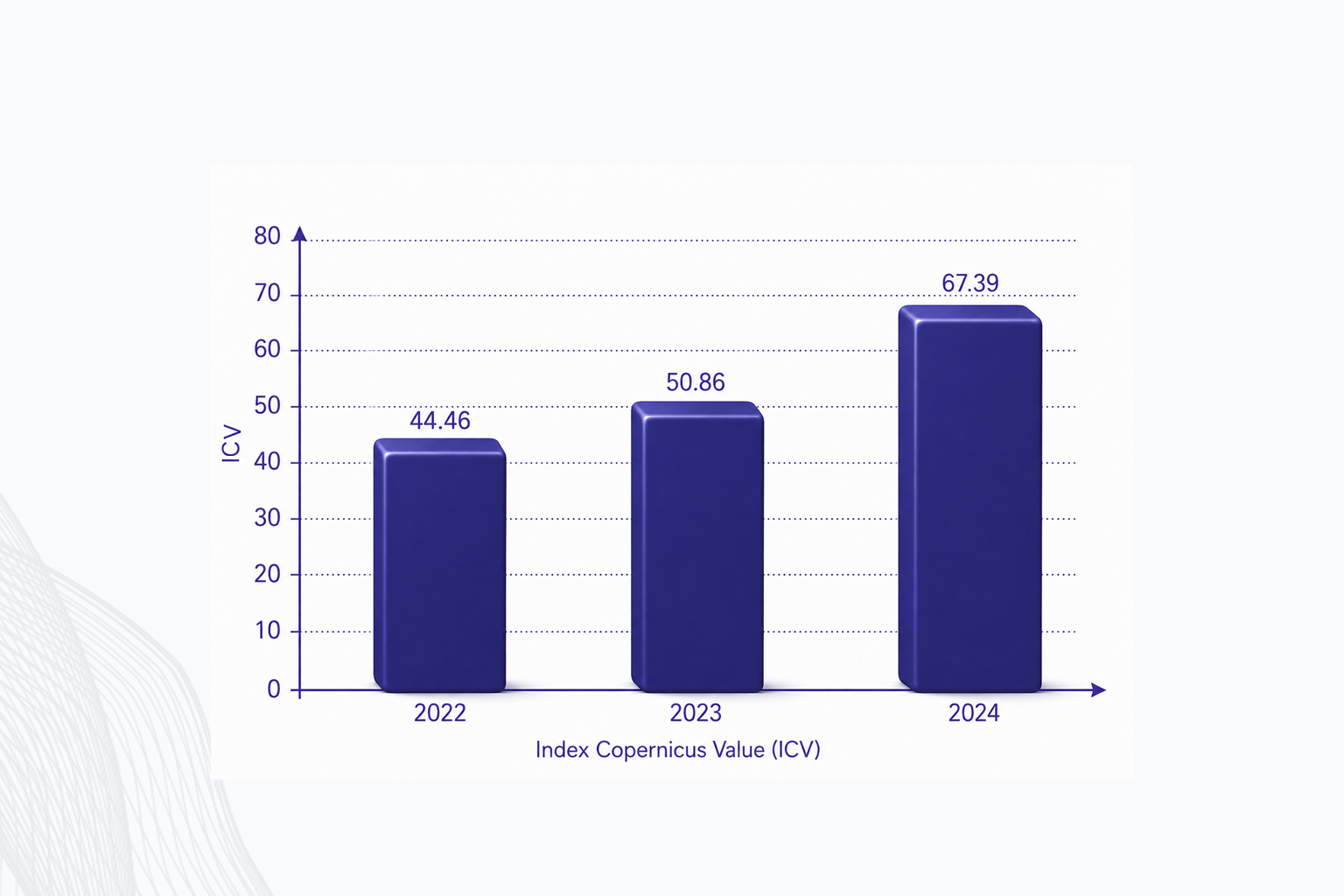
The ICV index, which reflects the journal’s level of development and its impact on the academic world, has shown a noticeable increase in recent years: for 2024 it stood at 67.39, for 2023 at 50.86, and for 2022 at 44.46.
Promoting the study of law
The journal:
- makes its content available under an open-access model, directly from the journal’s website and via the Currenda Reading Room (a modern knowledge platform for anyone interested in enforcement law, used by approximately 3,000 users) and the Legalis C.H.Beck legal information system,
- publishes papers from academic conferences and reports from national and international conferences,
- regularly publishes commentaries on Supreme Court judgements and reviews of Supreme Court case law discussing current trends in the jurisprudence of enforcement law.


Poznaj sklep Wydawnictwa Currenda
Odwiedź nasz sklep i znajdź unikalne książki oraz czasopisma poświęcone problematyce egzekucji.
Przejdź do sklepu
Czytelnia Currendy
Cyfrowy dostęp do wiedzy z zakresu postępowania zabezpieczającego i egzekucyjnego.
